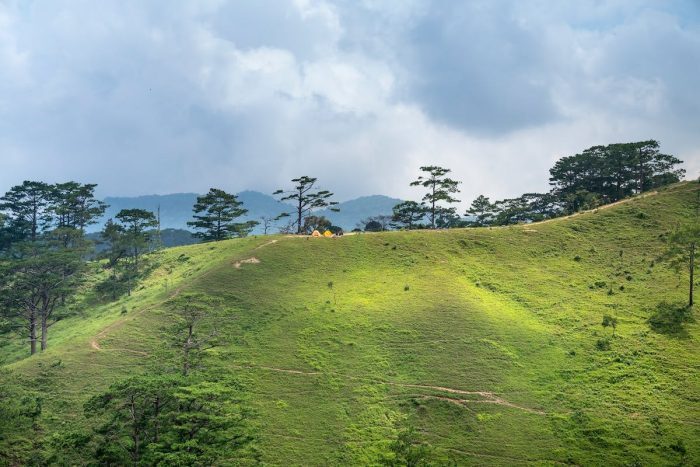
The landscaping of a stone embankment can transform a simple garden into a picturesque landscape worthy of a postcard. To achieve this result, more than just a simple pile of stones is needed. A meticulous plan, a selection of appropriate stones, and careful placement are essential. It is crucial to understand that each embankment is unique in its own right and requires an approach tailored to its specificities. This may seem complex, but with the right advice, even a beginner can successfully create a stone embankment that will become the centerpiece of their garden.
Perfect stones for your embankment: which ones to choose
The landscaping of an embankment with stones in your garden can create a striking visual impact, but to ensure the success of your project, you must choose the right stones. Consider the desired style and aesthetics for your garden. If you are looking for a natural and organic ambiance, opt for stones with irregular shapes like pebbles or flat rocks. For a more contemporary look, favor stones cut with sharp and regular angles.
Also consider the color of the stones. Earthy tones such as beige or gray blend well with a green environment, while brighter colors like red or yellow will add a bold touch to your landscaping.
Beyond aesthetic appearance, make sure to choose stones suitable for the local climate and resistant to frost if necessary. Durable materials such as granite or schist are recommended as they withstand the elements better.
Before purchasing your stones, do not hesitate to seek advice from a landscaping expert who can guide you towards the most appropriate choices based on your specific needs.
Once carefully selected according to these important criteria, your good stones will form the solid foundation on which to build the harmonious landscaping of your embankment using other key tips: proper ground preparation before landscaping; creating a solid structure to prevent landslides; aesthetic and functional arrangement of the stones; adding suitable plantings to the embankment for a harmonious result; regular maintenance ensuring the stability and natural appearance of the stone embankment.
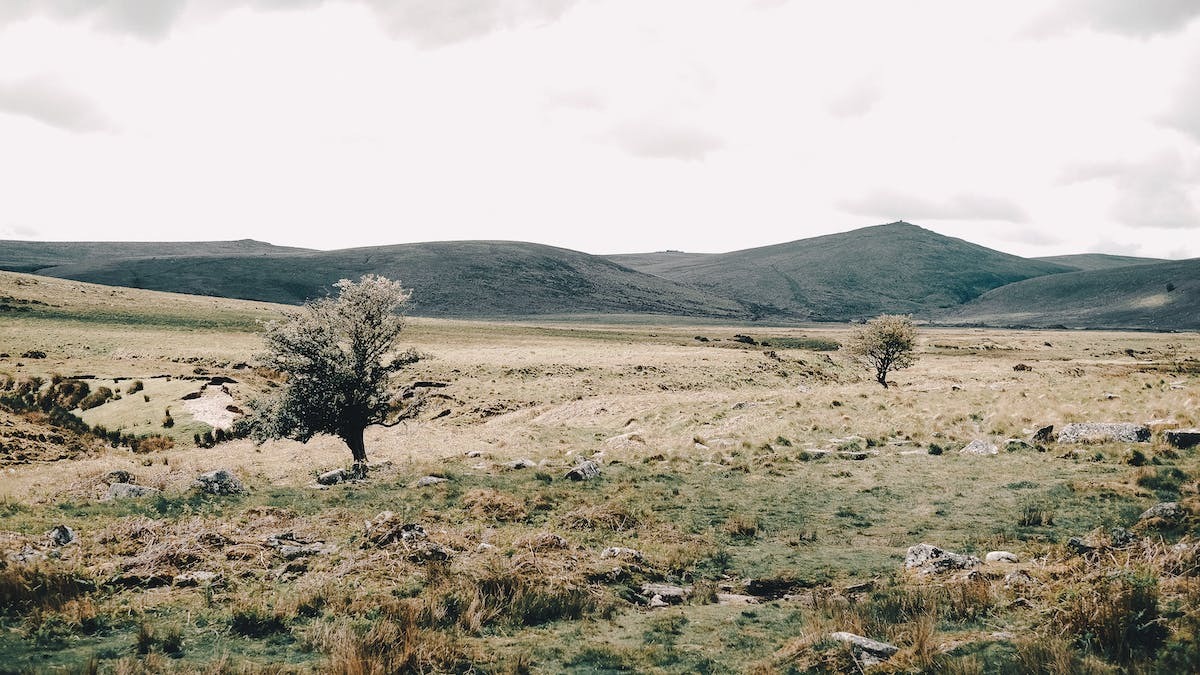
Essential preparation before landscaping the embankment
Before landscaping your stone embankment, you must properly prepare the ground. This crucial step will ensure the stability and durability of your landscaping.
Start by precisely marking the contours of the embankment using stakes and string to have a clear idea of the desired dimensions and shape. Proceed with a meticulous weeding of the area by removing all weeds and working the soil to make it loose.
Once you have cleaned the area, consider creating a border or retaining wall that will prevent the stones from rolling or sliding over time. For this, you can use materials such as bricks, concrete blocks, or even wooden logs. Ensure that this structure is strong enough to withstand the weight of the stones as well as any pressure exerted by the soil.
Before installing your stones on the embankment, create a drainage layer consisting of a geotextile covered with a thick layer of gravel or crushed stones. This layer will allow for the effective drainage of rainwater while preventing stagnation that could weaken your landscaping.
Once these steps are completed, it is time to arrange your stones on the embankment. Opt for a harmonious layout by placing the larger and heavier stones at the bottom of the embankment to ensure optimal stability, while the smaller and lighter stones can be placed at the top for a pleasing aesthetic effect.
It is also wise to create gaps between the stones to promote air circulation and the roots of the plantings. These spaces will allow the plants to anchor well in the soil and will help strengthen the overall cohesion of your landscaping.
Do not forget to integrate suitable plantings for this type of environment on your stone embankment. Choose resilient plants that will thrive in these particular conditions, such as sedums, ferns, or ornamental grasses. These plantings will add a touch of natural greenery while reinforcing the stability of the embankment through their roots that will hold the soil.
Once all these steps have been carefully completed, you will be able to fully appreciate the successful landscaping of your stone embankment. Feel free to regularly monitor its evolution and make adjustments if necessary to ensure its longevity.
Properly preparing the ground before landscaping a stone embankment is essential to guarantee its solidity and lasting aesthetics. Follow these wise tips to transform your garden into a true mineral oasis where harmony reigns between the surrounding nature and your inspired landscaping choices.
A solid structure to prevent landslides of the embankment
When considering landscaping a stone embankment in your garden, it is crucial to create a solid structure that will prevent any risk of landslide. Indeed, a poorly designed embankment can not only compromise the safety of your property but also harm the overall aesthetics of your landscaping.
To begin, it is recommended to conduct a thorough soil analysis on which your embankment will rest. This step will help determine its composition and load-bearing capacity. If the soil is found to be unstable or poorly compacted, you will need to take additional measures to reinforce the structure of the embankment.
An effective solution is to install wire mesh gabions filled with gravel or crushed stones. These structures provide excellent resistance to the pressure exerted by the soil and thus ensure the long-term stability of the embankment.
To avoid water infiltration that could weaken your landscaping, it is wise to integrate a drainage system within the embankment. This can consist of perforated pipes buried horizontally or vertically in the soil, allowing for the effective evacuation of accumulated rainwater.
You must be strategic when it comes to stacking the stones to build the main body of the embankment. Start by positioning the larger and heavier stones at the bottom so that they act as a solid foundation for the upper layers. Be sure to interlock and stagger them to reinforce the cohesion of the whole.
To prevent any risk of erosion, it is recommended to cover the embankment with a geotextile specifically designed to hold the soil in place without obstructing drainage. This membrane will also prevent the growth of weeds between the stones and facilitate the rooting of the plantings you wish to add later.
Make sure to regularly maintain your stone embankment to prevent any potential settling or landslide. Periodically inspect the integrity of the structure as well as that of the drainage system. If necessary, make appropriate repairs quickly to maintain its solid state.
By following these wise tips, you will create a solid structure that will guarantee not only safety but also the attractive aesthetics of a stone embankment in your garden. You should invest effort in this initial phase to fully enjoy a beautiful and durable landscape design that will add a distinctive touch to your outdoor environment.
The art of arranging the stones of the embankment: aesthetics and functionality
In this section, we will discuss the importance of arranging the stones in both an aesthetic and functional manner to create a stone embankment that is truly harmonious in your garden.
Be sure to choose stones with varied shapes to bring an interesting visual touch. Opt for different sizes and colors to add contrast and texture to your landscaping. Angular rocks can give a robust and natural look to the embankment, while rounder stones can soften its appearance.
When arranging the stones, consider their tilt relative to the embankment. A slightly inward-tilted arrangement will help reinforce the overall stability of the embankment by preventing unwanted movement of the rocks. Also, be sure to interlock the stones to avoid any potential slipping.
To achieve a more organic and natural effect, try to create irregular patterns rather than symmetrical or linear ones. This will add character to the overall landscape by mimicking the ordered chaos found in nature itself.
Feel free to experiment with different arrangements according to your personal preferences and the overall style of your garden. You can opt for a free arrangement where each stone seems to have been placed intuitively or choose a more structured scheme with carefully aligned rows.
Beyond the pure aesthetics of stone placement, also consider their functionality. You can create steps or terraces with the rocks to facilitate access and navigation on the embankment. These practical elements can add an extra dimension to your design while making the whole more functional.
Do not forget to integrate vegetation into your stone embankment to soften its appearance and give it a more natural look. By adding plantings suited to the conditions of the embankment, you will create a harmonious transition between the stones and the rest of your garden.
Arranging the stones in an aesthetic and functional manner is essential for successfully landscaping a stone embankment in your garden. By following these simple yet effective tips, you will be able to create a beautiful landscape that will not only please your eyes but also your artistic senses while ensuring the long-term stability of the embankment. Take the necessary time to plan every detail to achieve a final result that is rewarding both visually and practically.
Plants suitable for a harmonious and balanced embankment
In this section, we will explore the importance of integrating plantings suitable for the embankment to create a harmonious and durable result in your stone garden.
Plantings play a crucial role in the landscaping of a stone embankment, both aesthetically and functionally. They help bring nature back to this mineral space and soften its raw appearance. Choose plants that meet the constraints of the embankment, particularly in terms of drainage, as these areas are often exposed to drier or wetter conditions depending on their positioning relative to the sun.
Opt for species that are resistant to climatic variations and capable of adapting to poor, rocky soils. Mediterranean seedlings such as lavenders, thymes, or rosemaries are ideal for adding a colorful touch while providing a pleasant scent to your garden.
Ornamental grasses are also an excellent choice for creating movement in the landscape with their light leaves that sway in the wind. Consider varieties such as blue fescue or stipa tenuifolia, which will add interesting texture without overshadowing other elements present on the embankment.
To fill the gaps between the stones and add greenery that persists throughout the year, you can opt for ground covers suited to the local climate, such as alyssum saxatile or sedum.
Feel free to play with different heights of plantings to create a sense of depth and perspective. You can combine low, medium, and tall seedlings for a more dynamic and captivating visual effect.
Be sure to plan the maintenance required for the different plant species chosen to avoid excessive growth or uncontrolled development that could compromise the stability of the stone embankment. Favor seedlings that require little watering and human intervention.
By adding appropriate plantings to the stone embankment, you will create a harmonious transition between the raw minerality of the rocks and the lush vitality of the vegetation. This combination will bring balance, natural beauty, and durability to your landscaping.
Maintaining your stone embankment: the trick to preserving its natural beauty and stability
Once your stone embankment is landscaped and adorned with suitable plantings, it is essential to ensure regular maintenance to preserve its natural appearance and long-term stability. Here are some practical tips for effectively maintaining your stone embankment.
One of the primary tasks is to control the vegetation. Seedlings can sometimes invade the spaces between the stones or grow too vigorously. It is therefore necessary to regularly remove weeds that could smother your plantings or compromise the integrity of the embankment. To do this, use your hands or suitable tools like a hoe to eliminate the unwanted while preserving the root system of the plants you wish to keep.
Be sure to practice prudent pruning. There is certainly no need to prune all your plantings on the embankment, but certainly those that tend to spread rapidly at the expense of others. For example, if you have chosen ornamental grasses, cut them back at the end of winter before their spring growth resumes to maintain their compact shape and prevent them from taking up too much space in the landscape. Similarly, lightly prune evergreen shrubs to maintain their harmonious silhouette without altering their natural appearance.
Watering is also a key element in maintaining your stone embankment. You must respect the water needs specific to the different species you have chosen to avoid excess or lack of water. Mediterranean plants, for instance, are often adapted to drier conditions and require less watering once well established. In contrast, newly transplanted seedlings may need regular monitoring to encourage their rooting.
Take care to check the stability of the embankment. Regularly inspect the condition of the stones that make it up to detect any signs of movement or settling. If you notice instability in certain areas, it may be necessary to reposition or consolidate the affected stones. Also, ensure that your plantings do not compromise the strength of the embankment by penetrating too deeply into the gaps between the rocks.
By applying these simple yet essential tips, you will preserve the natural beauty and long-lasting stability of your stone embankment. Regular maintenance will not only allow the plantings to thrive harmoniously but also enable the mineral landscape to evolve gracefully through the seasons. So take the necessary time to care for this unique space that will add charm and character to your garden.