
The development of a baby refers to all the motor, sensory, cognitive, and relational transformations that occur between birth and the early years of life. These transformations do not follow a single timeline: each child progresses at their own pace, depending on their environment, interactions, and constitution.
Monitoring Baby’s Development: Three Levels to Distinguish
Observing your child on a daily basis is already a way to monitor their development. Noticing that they follow an object with their gaze, turn their head towards a voice, or reach out their arms constitutes a form of natural parental vigilance.
This observation does not replace a structured screening by a healthcare professional. Screening involves checking, during scheduled consultations, whether the baby reaches certain milestones in language, motor skills, attention, hearing, and vision. It does not provide a diagnosis: it identifies a gap that justifies further investigation.
Clinical evaluation comes in at the third level, when a screening raises a specific question. It involves standardized tools and sometimes multiple specialists. One point deserves quick attention: the loss of a previously acquired skill, such as babbling that disappears or a child who stops turning over, warrants a consultation without waiting for the next scheduled visit.
The information from the Future Maman website helps to better understand these monitoring stages and adjust vigilance over the months.
Reactive Parenting: Reading Signals Rather Than Multiplying Activities
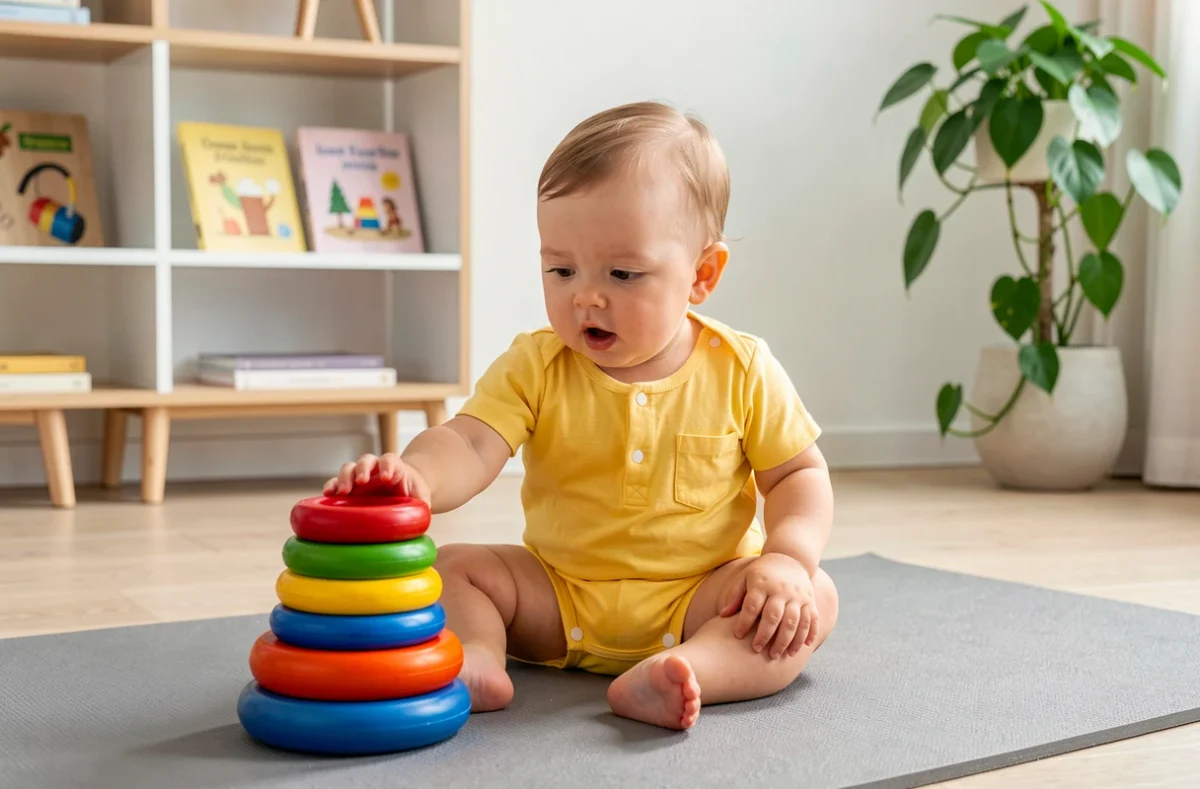
Most parenting guides provide lists of developmental activities categorized by age. This approach has its limits: it focuses attention on what the parent does, not on what the baby expresses.
Reactive parenting reverses this logic. It relies on a three-step cycle: observing a signal from the baby, interpreting that signal in context (hunger, fatigue, sensory overload, need for closeness), and then adjusting the response. A baby who averts their gaze during play is not lacking concentration; they are signaling that they need a break.
This method requires no special equipment. It relies on the quality of attention given, not the quantity of stimulation. A prolonged exchange of glances, a vocal response to babbling, or a comforting gesture at the right moment contribute more to cognitive and emotional development than a series of sensory workshops.
Recognizing Sensory Overload
A overstimulated baby sends recognizable signals:
- They repeatedly turn their head away or close their eyes, even in the absence of apparent fatigue
- They suddenly go from calm to crying without an identifiable cause (hunger, diaper, pain)
- They arch their back or stiffen their limbs when touched or when they hear a sound
Reducing stimulation rather than varying it is often the most effective response in these moments. Dimming the lights, limiting sounds, and providing calm physical contact is usually enough to restore balance.
Neonatal Screening and Care Pathways: What Changes Practically
Screening at birth is not limited to a blood test followed by a result. The World Health Assembly adopted a resolution on universal neonatal screening in 2024 that redefines this step: screening marks the beginning of a care pathway, not the end of an isolated act.
This orientation implies that each positive result triggers a complete chain: diagnostic confirmation, treatment if necessary, appropriate rehabilitation, and family support. For parents, this means that an abnormal screening is not a verdict, but the entry into coordinated follow-up.
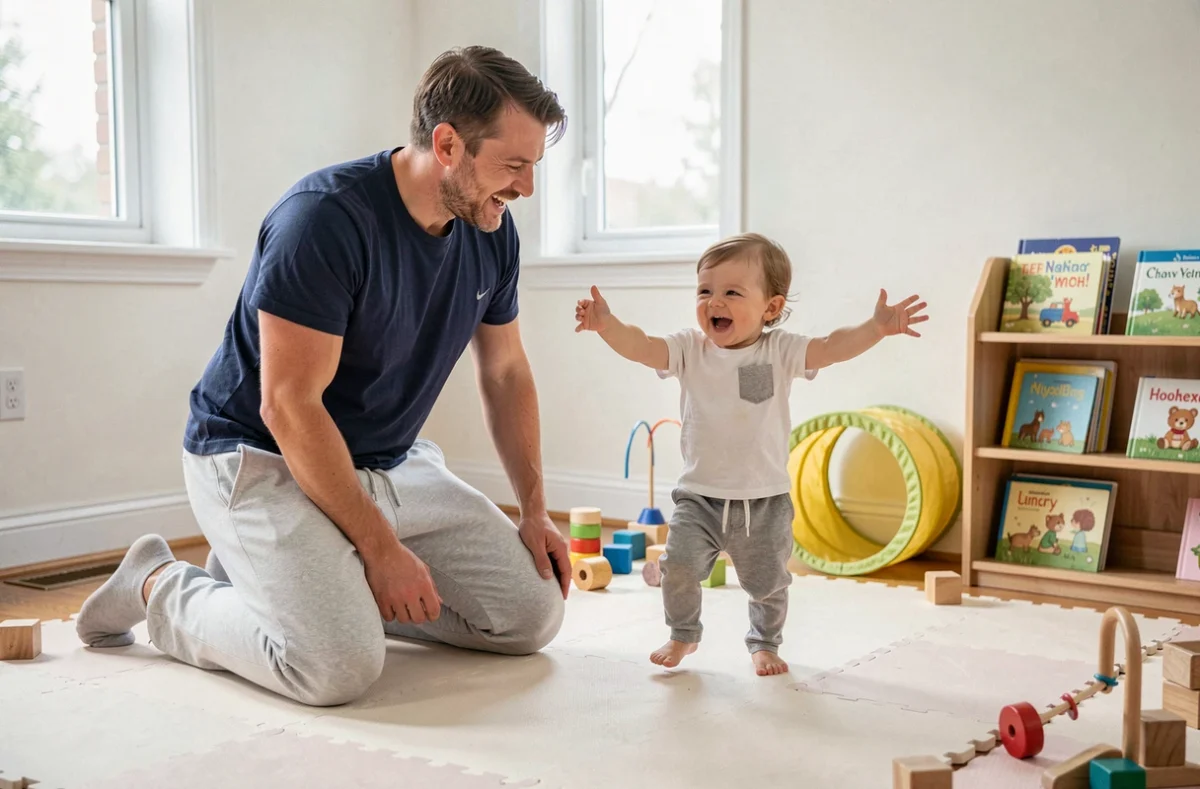
Practically, the health record remains the central tool for recording results and directing them to the appropriate professionals. The mandatory examinations in the first months gradually incorporate this logic of continuity between detection and support.
Sleep, Nutrition, and Emotions: Three Pillars Often Treated Separately
Sleep, nutrition, and emotional regulation are frequently addressed as independent topics. They actually function as an interdependent system.
A baby with fragmented sleep often shows increased irritability, complicating mealtimes. Conversely, an infant who eats at erratic times sleeps less regularly. The stability of routines in one area facilitates regulation in the others.
The baby’s emotional regulation largely depends on co-regulation with the adult. Before they can soothe themselves, a child learns to calm down because a parent has repeatedly and predictably calmed them. This co-regulation process forms the foundation upon which self-regulation abilities are built later.
- A stable sleep rhythm (not necessarily rigid) supports growth and the consolidation of motor learning
- Gradually introducing diverse foods contributes to the sensory development of taste and texture
- Consistent adult responses to the baby’s emotions strengthen attachment and exploratory trust
The temptation to compartmentalize these areas often comes from how information is organized online. In a baby’s daily life, sleep, nutrition, and emotions influence each other in a loop, and a persistent difficulty in one of these areas deserves to be examined considering the other two.
The development of a baby is not measured solely by the acquisition of new skills. The ability to maintain acquired skills, the quality of interactions with their surroundings, and the consistency of adult responses weigh as much as the age at which a child takes their first steps.