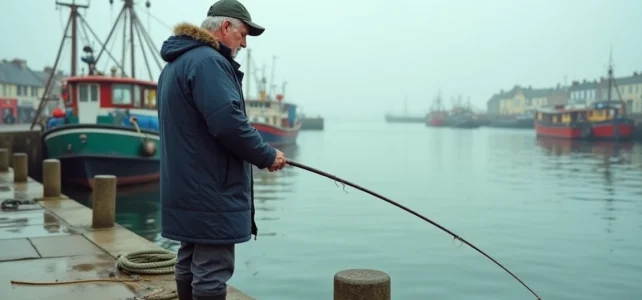
Guilvinec is the leading French port for artisanal fishing, but the fish market docks do not fully capture the interest of the sector for recreational fishing. Between Léchiagat and the rocky points that border the Bigouden country, the coastline offers varied spots, subject to rapidly changing regulatory and climatic constraints. Here are the spots to know, the techniques that work in these areas, and the pitfalls to avoid before heading out with your gear.
Marine heatwaves and seasonal shifts: the parameter that spot maps ignore
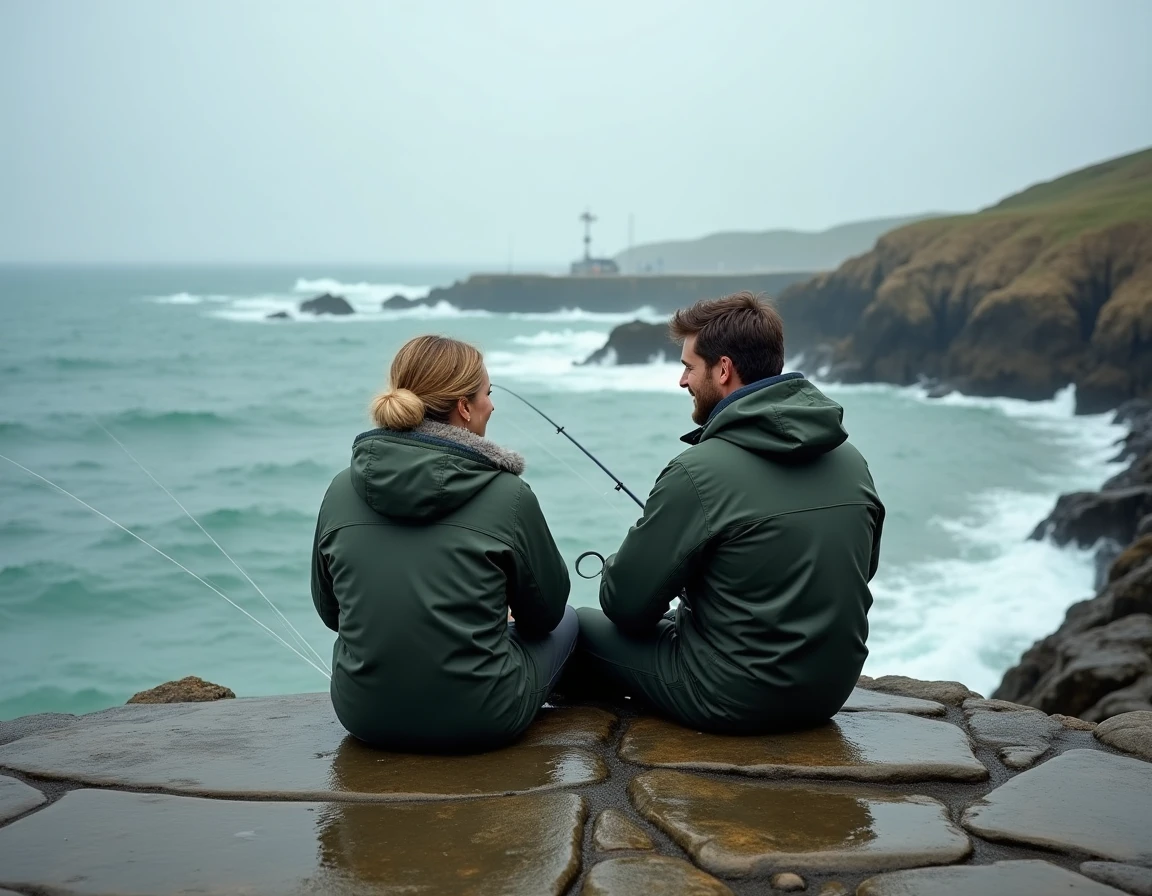
The recurring marine heatwave episodes since 2022, documented by Ifremer and ICES on the southern Brittany coast, are altering the behaviors of targeted coastal species from the shore. The Bigouden area, including Guilvinec, is experiencing a lasting rise in surface temperature during the summer.
Two direct effects for shore fishermen are emerging. Interesting-sized bass are found more often in rocky areas exposed to swell, where oxygenation remains adequate, at the expense of sheltered bays that overheat. The coastal activity of bass and pollock shifts towards late season, with a more pronounced presence between September and November compared to mid-summer.
Checking the surface temperature before choosing a spot becomes as useful as checking the tide. A spot known to be productive in July can be deserted if the water exceeds its usual summer threshold for an extended period. Professional fishermen from the local fishing committee confirm this trend in recent bulletins.
For those wishing to fish from the port of Guilvinec in the heart of summer, it is better to favor the outgoing tide slots on spots exposed to the current, where the temperature remains a few fractions of a degree lower.
Rocky spots between Guilvinec and Léchiagat: bass and pollock from the shore
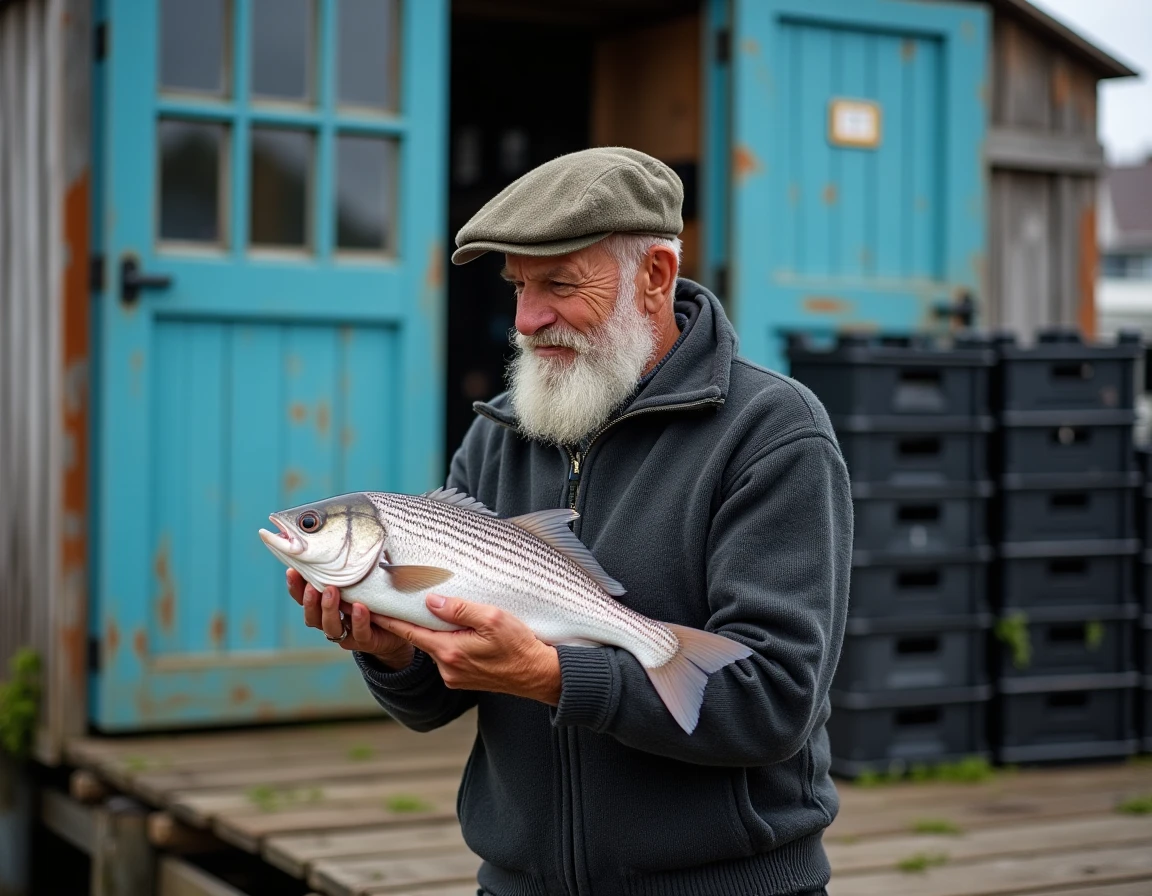
The rocky stretch between the port of Guilvinec and Léchiagat concentrates the most consistent spots for bass and pollock. The points that extend into the current create water veins where predators lie in wait, especially on the outgoing tide.
Fishing with lures from these rocks works better than traditional bottom fishing. The bottoms are cluttered, and dead lines get snagged quickly. A soft lure worked in a linear fashion or a swimming bait allows for exploration without losing the rig with every cast.
- The rocky points facing the open sea offer the best current but require suitable footwear and constant vigilance regarding the swell, which can rise unexpectedly on these low projections.
- The riprap of the port itself, on the Léchiagat side, allows for bass fishing at the beginning and end of the day when the traffic of trawlers decreases and fish move up to the edges.
- The small bays between two points sometimes concentrate whiting and wrasse, less sought-after species but present all year round and interesting for beginners.
Kayak fishing is gaining popularity in this area. It allows access to rocky plateaus located a few hundred meters from the shore, where the spots become inaccessible on foot even at low tide. Launching is easy from the port ramps or adjacent beaches.
Surfcasting on the beaches of the Bigouden country: tides and targeted species
The exposed beaches around Guilvinec offer a regular surfcasting terrain, provided the right time slot is chosen. The outgoing tide remains the most productive time: the retreat of the water uncovers the pools and holes where fish come to feed.
Bass and whiting are the most common catches in surfcasting in this area. Bass are found in the first meters of depth at the wave breaks, while whiting occupy the sandy areas a bit further out.
Two-hook rigs with natural baits (sandworms, razors) remain the foundation. Long-distance casts are not always necessary: on some beaches, fish hunt less than thirty meters from the shore, especially at dawn and dusk.
A point of attention: the monitored swimming areas in summer prohibit surfcasting during the hours when lifeguard stations are open. Therefore, sessions should be scheduled early in the morning or in the evening, which coincides with the best activity periods for fish anyway.
Regulations on bass and shellfish: constraints to check before each outing in Guilvinec
The regulations on bass in the Atlantic have evolved significantly in recent years. The area that includes Guilvinec now imposes a limit of two bass per day per recreational fisherman, with a minimum size for capture. These quotas, set at the European level, have been tightened to respond to pressure on the stock.
The shellfish aspect adds a specific constraint to the sector. The temporary ban on fishing for bivalve shellfish in the Guilvinec-Léchiagat area, extended since April 2026, remains in effect. The identified cause: persistent algal blooms that generate toxins in clams, cockles, and tellins. The Finistère prefecture publishes the decrees via the Departmental Directorate of Territories and the Sea.
- The collection of any filtering shellfish is prohibited in the area as long as the prefectural decree is in force, even for personal use.
- Gastropods (periwinkles, whelks) are not affected by this ban but remain subject to minimum size regulations.
- Fish caught from the shore are not affected by phytosanitary restrictions, which exclusively target filter-feeding organisms.
Checking the Finistère prefecture website before each outing helps avoid a fine. The decrees sometimes change from week to week based on water analysis results.
The Guilvinec area remains one of the most comprehensive in Finistère for shore fishing, provided these recent parameters are taken into account. The fishing habits inherited from previous decades are no longer sufficient: water temperature, quotas, and health restrictions reshape the map of real possibilities each season.