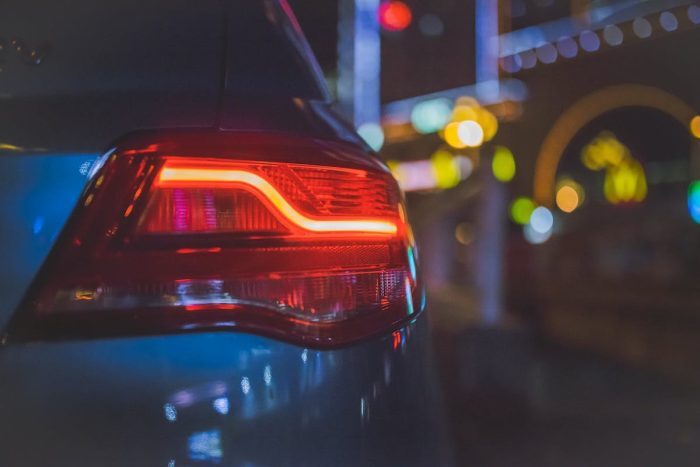
The lighting of your vehicle is a crucial component for your safety. It provides optimal visibility in the dark and alerts other road users to your presence. Various types of lighting are available on the market, each with its advantages and disadvantages. Understanding their specifics is vital for making an informed choice that meets your needs. This includes halogen headlights, high-intensity discharge (HID) headlights, LED headlights, and more. This essential information guides you toward the ideal lighting for your vehicle.
LED Lighting: An Asset for Your Car
The disadvantages of halogen lighting for your car are numerous. These bulbs have a shorter lifespan compared to other types of lighting. They therefore require frequent replacement, which can become costly in the long run. Halogen lights consume more energy than more modern alternatives like LED or xenon headlights.
Another issue with halogen lighting is its low light intensity. These bulbs do not provide brightness as powerful and clear as that offered by advanced lighting technologies such as matrix lights or xenon headlights.
The use of halogen lights also presents risks for road safety. Their light beam is not always well distributed on the road, which can lead to insufficient visibility in certain weather conditions, especially in thick fog where it becomes difficult to properly distinguish the roadway.
For all these reasons, it is recommended to consider more efficient and energy-saving alternatives such as LED headlights or those equipped with matrix technology that allow for individual control of the diodes to precisely adapt the light beam to the surrounding conditions.
It is important to note that there are also specific considerations when choosing lighting for your vehicle. This includes compatibility with your car’s electrical system, the legality of the lights in your country, and the quality of the product’s manufacturing. Take the time to examine all these aspects before making an informed choice to ensure you get the optimal lighting for your vehicle and guarantee safe driving.
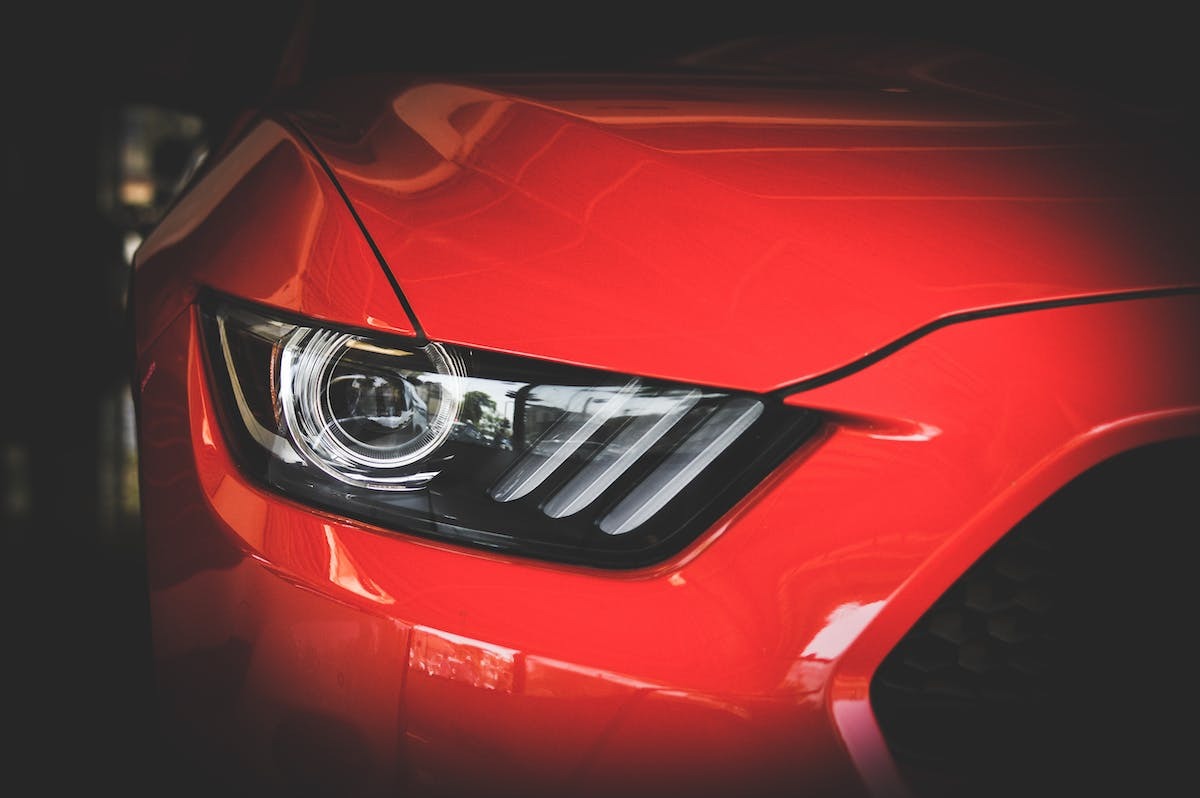
Halogen Lighting: The Limits for Your Car
Xenon lighting is one of the most popular options for improving visibility on the road. Xenon headlights use advanced technology that allows for the production of a bright white light, similar to daylight. This increased brightness offers clearer and more precise lighting, greatly facilitating night driving.
The main feature of xenon headlights is their special bulb filled with a noble gas called xenon. When electric current passes through this bulb, it creates an electric discharge that excites the xenon gas and thus produces a powerful beam of light. The high color temperature of xenon headlights typically ranges between 4000K and 6000K, ensuring excellent color perception while reducing eye strain.
In terms of advantages, xenon lights offer a better range than traditional halogen lights. Their light beam can reach up to 3 times the distance compared to standard halogen bulbs, allowing the driver to anticipate obstacles earlier and improve road safety.
Xenon lighting has also been praised for its low environmental impact due to its reduced energy consumption compared to other types of automotive lighting. This means that not only do you benefit from a better driving experience, but you also contribute to preserving our planet.
It should be noted that installing xenon headlights may require modifications to your vehicle. Indeed, these bulbs need a ballast system and a regulation device to function properly. Their installation should be carried out by a qualified professional to avoid any electrical issues or potential damage to your car.
Xenon Options to Illuminate Your Car
When choosing lighting for your car, consider the specific restrictions regarding the type and color of headlights allowed. Therefore, check the local regulations before making a final choice.
Another essential element to consider is the compatibility with your vehicle. Not all types of lighting are suitable for all car models. Some systems require more complex installation or additional adjustments to fit properly with the existing electrical system of your car. Make sure to check if the lighting you are considering is compatible with your specific model.
The lifespan of the bulbs is also a crucial aspect when choosing lighting for your vehicle. LED bulbs are often recognized for their exceptional longevity compared to other options available on the market. They can last up to 25 times longer than traditional halogen bulbs, which means less hassle and lower costs associated with frequent bulb replacements.
Beyond technical considerations, do not overlook the overall aesthetic you wish to give your vehicle. Some drivers prefer bright and modern lighting, while others favor a more classic appearance. LED lighting often offers a wide variety of colors and customizable effects to suit all tastes.
Be sure to consider the budget allocated for your car’s lighting. The various options available present significant price differences. Therefore, assess your needs in terms of features and take into account both the initial costs and any potential additional expenses related to installation or bulb replacement.
Choosing lighting for your car is a delicate process that requires careful consideration of several technical, regulatory, and personal aspects. Be sure to take these key considerations into account to opt for the best solution tailored to your specific needs and fully enjoy a safe and pleasant driving experience.
Choosing the Right Lighting for Your Car: Key Points
Beyond technical and regulatory considerations, be sure to take into account the environmental impact of your lighting choice for your car. With a growing awareness of greenhouse gas emissions and environmental preservation, opting for more environmentally friendly automotive lighting can be a wise decision.
LED bulbs are often considered more eco-friendly than other options available on the market. They consume less energy, which directly reduces overall electrical demand. They do not contain mercury or other harmful substances, making them easier to recycle and limiting their environmental impact when disposed of.
The economic benefits of LED bulbs should be highlighted. Although they may have a higher initial cost than some alternatives, they offer long-term savings due to their extended lifespan and low energy consumption. On average, drivers can save up to 80% on their lighting-related energy bills by switching to LED bulbs.
Considering harsh weather conditions or poorly lit roads, it may be beneficial to consider additional lighting such as fog lights or auxiliary headlights. These options can improve visibility and enhance your safety on the road.
Also, be sure to take into account the constant evolution of automotive lighting technology. New advancements are regularly made to improve headlight performance, reduce their energy consumption, and offer innovative features such as automatic adaptation based on road conditions or dynamic beam sweeping. Staying informed about the latest trends and innovations can help you make an informed choice when it comes to equipping your car with the best possible lighting.
Choosing the right lighting for your car is a decision that requires careful consideration of many factors such as local regulations, compatibility with your vehicle, bulb lifespan, desired aesthetics, allocated budget, as well as environmental and technological considerations. Take the time to examine all these dimensions to opt for lighting that will meet your specific needs while ensuring comfort and safety during your journeys on the road.