In the fascinating world of the automotive industry, some names shine brighter than others. These industry giants have managed to stand out, not only through the quality and performance of their vehicles but also through their ability to innovate and evolve over time. They have become undisputed leaders, dominating the market with an undeniable presence. Their iconic models and forward-thinking vision have influenced an entire generation. In the following lines, dive into the universe of these brands of excellence, their resounding successes, their challenges met, and their undeniable impact on the global automotive market.
Pioneers of the Automobile: An Industrial Revolution
When we talk about the world-renowned iconic brands in the automotive sector, it is essential that the phrase ‘best car brand’ comes to mind. Determining the best brand is not a simple or objective task. Indeed, this title can only be assigned based on the personal criteria of each individual: for some, it’s the elegant and modern design that matters; for others, it’s more about the power under the hood or energy efficiency; finally, some will be more sensitive to the luxurious comfort of the vehicle. Yet despite this diversity of opinions, some brands seem to garner favor and create a general consensus by consistently ranking at the top year after year.
Among these undeniable leaders are, unsurprisingly, Toyota and Volkswagen, two giants from Japan and Germany respectively, whose cars are sold on all continents, along with Mercedes-Benz and BMW, which symbolize German automotive luxury like no other. Toyota is often associated with the exemplary reliability of its models, while Volkswagen has managed to blend affordability with German quality. On their part, Mercedes-Benz captivates with its timeless elegance coupled with advanced technology, while BMW enjoys a high-end sporty image, thanks in particular to its powerful engines.
Although it is impossible to formally designate a single ‘best car brand’, a few manufacturers stand out due to their exceptional performance in their respective fields: Tesla excels in electric vehicles; Range Rover dominates the premium SUV segment; Porsche offers what is probably the best for a sporty drive… etc.
We can therefore conclude that while no brand can claim to be intrinsically ‘the best’, each has its own specificity making it ‘the best’ in something. And ultimately, this is fitting because just as every car is different, so too is every driver, each with their own different priorities when it comes to evaluating which manufacturer will have their preferences.
Key Innovation for Success: The Automotive Industry in Motion
In the electric vehicle sector, certain automakers stand out clearly. These undisputed leaders have managed to gain a significant lead in this new era of sustainable mobility.
Tesla is undoubtedly one of the pioneers and leaders in electric cars. Founded by Elon Musk in 2003, the California-based company revolutionized the automotive industry with its innovative models such as the Model S, Model X, and more recently, the Model 3. Tesla has established itself as a benchmark in terms of performance, range, and cutting-edge design.
Another major player in the electric vehicle market is Nissan with its famous Leaf. Launched in 2010, this electric compact car has enjoyed resounding success thanks to its attractive price-quality ratio and proven reliability. Nissan continues to invest heavily in developing electric vehicles accessible to the general public.
Among the emerging leaders in this field is also Volkswagen with its ID range based on a platform entirely dedicated to electric vehicles. The German manufacturer focuses on modern and sleek design as well as increased range to appeal to environmentally conscious consumers while benefiting from comfort and advanced technologies.
We must also mention BMW, which offers several plug-in hybrid models, notably with its iPerformance series (i3/i8). The Bavarian brand combines sporty performance with environmental respect by offering a silent electric drive with zero emissions.
It should be noted that these leaders are not the only players in the race for the electric vehicle. Many traditional brands are also investing heavily to catch up and offer high-performing and affordable electric vehicles.
The leaders in electric vehicles dominate the market thanks to their bold vision, constant technological advancements, and their capacity for innovation. They have managed to meet the expectations of environmentally conscious consumers while offering performance worthy of traditional thermal models. With the rapid evolution of the automotive sector, it remains to be seen how this hierarchy might evolve in the coming years.
Leaders in Electric Vehicles: The Race for Sustainability
In the automotive industry, the dominance of luxury brands is a well-established phenomenon. These prestigious brands exert considerable influence on the market thanks to their craftsmanship, their historical heritage, and their constant innovations.
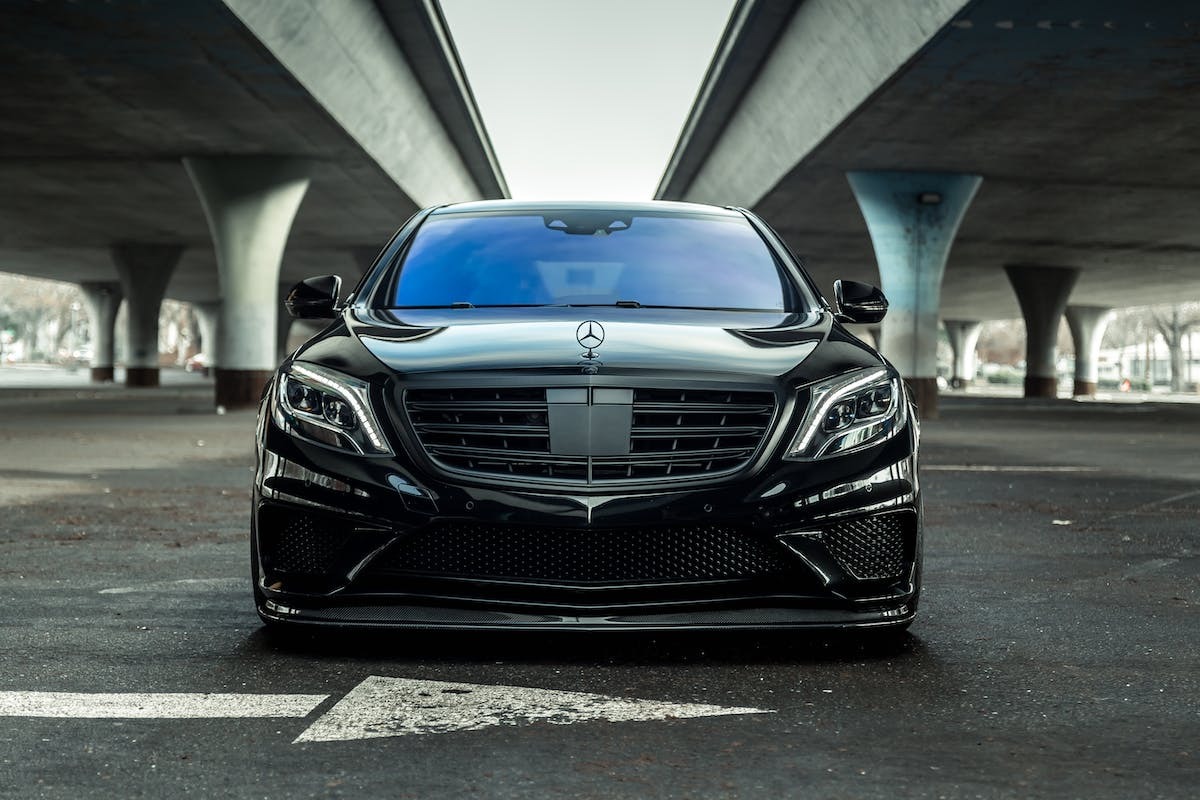
Among the undisputed leaders in this segment is Mercedes-Benz. The German brand has long embodied luxury and exclusivity in the automotive world. With iconic models such as the S-Class or E-Class, Mercedes-Benz offers cars that combine power, elegance, and superior comfort. Whether for a high-end sedan or a luxurious SUV, Mercedes-Benz remains synonymous with excellence.
Another luxury brand that holds a prominent place in this industry is BMW. Renowned for its sporty performance and refined design, BMW offers a wide range of premium vehicles that appeal to enthusiasts of sophisticated automobiles. From the legendary Series 3 to the X5 and X7 SUVs, each model embodies the perfect marriage of advanced technology and driving pleasure.
The Italian firm Ferrari is also a key player in the luxury automotive sector. Founded in 1947 by Enzo Ferrari, this iconic brand has built a global reputation thanks to its exceptional sports cars. Models such as the California T and the iconic F8 Tributo make car enthusiasts dream with their bold design and extraordinary performance.
Audi AG is also among the luxury brands that dominate the automotive market. With a modern and sleek design, Audi offers a complete range of high-end cars from the A4 and A6 sedans to the Q7 and Q8 SUVs. This German brand stands out for its technological innovation, luxurious interiors, and reputation for safety.
It is impossible to ignore Porsche’s presence in this category. The German brand is known for its iconic sports cars such as the 911 and the Boxster. Porsche offers its customers a unique experience with exquisitely designed vehicles, unmatched performance on the track, and an impressive legacy in motorsport.
Despite their undeniable dominance in the luxury automotive market, these brands must face the emergence of new competitors such as Tesla and Chinese manufacturers who are heavily investing in the high-end electric segment.
In a sector where exclusivity and innovation are paramount, luxury brands will likely continue to play a major role in the automotive industry. Their ability to anticipate trends while offering exceptional vehicles will be crucial to maintaining their dominant position in this highly competitive market.
Luxury Brands: Automotive Supremacy
In the automotive industry, there are also emerging players who manage to stand out and attract attention despite the dominance of luxury brands. These newcomers bring a fresh and innovative perspective to the market by offering electric or eco-friendly vehicles that address growing environmental concerns.
Tesla is undoubtedly one of these new players that has managed to disrupt the traditional automotive sector. Founded in 2003 by Elon Musk, Tesla has established itself as a pioneer in the field of high-end electric cars. With its flagship model, the Tesla Model S, the American brand has won over customers with its advanced technology, impressive range, and exceptional performance. Tesla’s bold vision for an entirely electric future has sparked public interest and encouraged other automakers to follow suit.
Another player worth mentioning is NIO, a Chinese company specializing in high-end electric vehicles. Since its inception in 2014, NIO has focused on developing smart electric cars that offer a unique user experience. Their models, such as the ES8 and ES6, have achieved considerable success in the Chinese market thanks to their cutting-edge design, innovative features, and advanced integrated artificial intelligence system.
Another Chinese company making waves in the automotive field is BYD. Founded in 1995, BYD has quickly established itself as one of the world’s leading manufacturers of electric vehicles. The brand stands out for its advanced technology, integrated vertical production, and commitment to environmental sustainability. BYD models such as the Tang EV and Qin Pro are praised for their performance, range, and affordability.
We must mention Rivian, an American company focusing on high-end electric off-road vehicles. Founded in 2009, Rivian has garnered much attention with its R1T (electric pickup) and R1S (electric SUV) models. These vehicles offer impressive power as well as excellent off-road capability while being environmentally friendly.
Despite their remarkable achievements, these new players still face significant challenges such as building a solid charging infrastructure for electric cars and establishing a global distribution network. They have managed to capitalize on new trends in the automotive market focused on sustainable and smart mobility.
New Players: Challengers Who Stand Out
The European manufacturers continue to play a prominent role in the global automotive industry. Among them are brands such as BMW, Mercedes-Benz, and Audi, which stand out for their craftsmanship and their ability to combine luxury and performance.
BMW is renowned for its range of premium cars offering a dynamic driving experience. Iconic models such as the Series 3, Series 5, and Series 7 are prized for their elegant lines, powerful engines, and innovative technologies. The German brand has also invested in the development of electric vehicles with its iPerformance range, including models such as the i3 and i8.
Mercedes-Benz, on the other hand, embodies sophisticated luxury that combines comfort and performance. With sedans such as the E-Class or S-Class and SUVs like the GLC or GLE, Mercedes-Benz offers a wide range that meets the various needs of consumers demanding timeless aesthetics as well as advanced technological innovations.
Audi also occupies an important place in the automotive market thanks to its distinctive design combined with cutting-edge engineering. The German brand is known for its high-performance luxury cars that offer the perfect blend of sportiness and sophistication. Flagship models such as the A4, A6, and Q7 satisfy enthusiasts of dynamic driving and high-end equipment.
It is impossible to talk about the undisputed leaders of the automotive market without mentioning Toyota. The Japanese manufacturer enjoys a solid reputation due to its legendary reliability and commitment to innovation. Iconic models such as the Corolla and RAV4 have won the hearts of consumers thanks to their energy efficiency, advanced safety features, and unbeatable price-quality ratio.
The automotive industry is marked by the dominance of major brands such as BMW, Mercedes-Benz, Audi, and Toyota, which continue to set their standards in terms of luxury, performance, and innovation. Recent years have also seen the emergence of new players such as Tesla and NIO, who bring an innovative vision focused on sustainable electric mobility. The future promises a diverse automotive landscape where each brand will have its place to meet the specific needs of discerning consumers worldwide.