A patented textile technology, initially reserved for the medical sector, is now being integrated into everyday clothing. Major sports brands are expanding their offerings to include these devices in response to the growing demand related to musculoskeletal disorders.
Some models, like the Percko t-shirt, promise active posture correction without the need for bulky or visible accessories. The enthusiasm has sparked a precise examination of their impact and relevance in light of current recommendations for back health.
Why pay attention to posture-correcting t-shirts? Understanding the context and stakes
Back pain has become a well-established scourge of our time. According to the World Health Organization, 80% of people will experience back pain at some point, which can sometimes disrupt daily life. In France, lower back pain ranks at the top of the reasons for sick leave, a symptom of a problem exacerbated by sedentary lifestyles and stress pressure. Between hours spent at a desk, repetitive movements, and lack of exercise, posture suffers more each day.
In this context, posture correctors are gaining traction. Technical t-shirts, lumbar belts, connected gadgets: each attempts to provide relief and help restore bodily balance. The Percko t-shirt, available at Decathlon, fits into this logic. It aims for daily, discreet use without stigma, to improve posture and, by domino effect, relieve back pain. The idea is to support the user in their movements, reduce tension on the spine, and encourage the back muscles to work better.
Reminder from the WHO: it is better not to sit for more than two to three hours without a break. However, this advice often falls into oblivion in the reality of offices. Posture correctors, including the Percko t-shirt, offer a concrete way to physically remind users that it is time to correct their position. To delve deeper into the actual interest of the product, you can consult the review of the Percko t-shirt at Decathlon. This feedback is based on testimonials and expert analyses to gauge the real added value of this posture-correcting shirt in the daily fight against back pain.
The Percko t-shirt at Decathlon put to the test: functionality, effectiveness, and user feedback
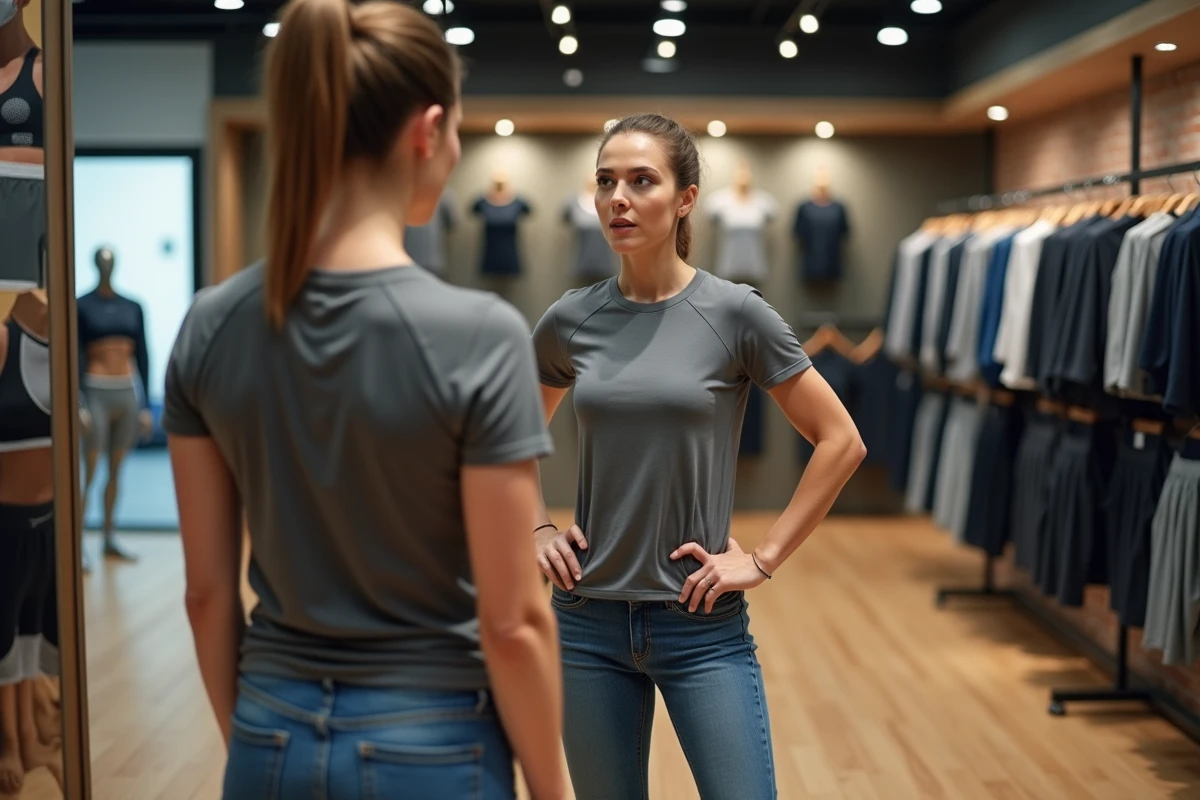
The Percko t-shirt, found in Decathlon stores, stands out thanks to its patented tensioning system embedded in the fabric. These discreet yet firm bands aim to guide the spine and shoulders into a more natural position without hindering daily movements. Designed by two French engineers, the t-shirt is made to adapt to regular use, helping everyone to straighten their posture throughout the day without discomfort.
In practical terms, the device relies on measured tension: as soon as the back rounds or the shoulders slump, a reminder sensation occurs, prompting the user to straighten up. The goal is to limit harmful positions, reduce pressure on the vertebrae, gently relax the back muscles, and allow for more ample breathing. Several versions exist, depending on whether one is primarily sitting, exercising, or lifting loads.
From a user experience perspective, most highlight a real sensation: tangible support, an invitation to straighten up, while allowing the body to move freely. The Percko t-shirt is not intended to replace appropriate physical activity or consultation with a healthcare professional. Those who have tested it report increased comfort throughout the day, sometimes reduced muscle fatigue, and even a decrease in lumbar tension. However, specialists like Vincent Girod or Professor Rannou remain cautious: excessive wearing could lead to muscle loss. Therefore, this t-shirt should be integrated into a holistic approach that includes movement, ergonomics, and attentive listening to one’s body.

What alternatives are there to better prevent or relieve back pain in daily life?
Back pain affects both office workers and seasoned athletes. To limit its impact, several concrete options are available to everyone, the first being body mobilization. Regular physical activity remains fundamental: walking, swimming, gentle muscle strengthening, or targeted stretching contribute to strengthening the deep musculature and preserving joint mobility. The World Health Organization emphasizes: avoid sitting too long. Every two hours, it is beneficial to stand up, adjust your posture, take a few steps, or vary your supports.
Additionally, the ergonomics of the environment play a significant role: rearranging the office, adjusting the height of the workstation, choosing a chair that properly supports the back. Experts also recommend paying attention to bedding, as a quality mattress can make a difference. Certain disciplines focused on posture, such as yoga, Pilates, or the Alexander technique, help individuals better feel and control their position.
Here are other approaches to consider for protecting your back daily:
- Make an appointment with an osteopath or physiotherapist: to obtain a tailored diagnosis, appropriate movements, and personalized advice.
- Occasionally use a lumbar belt: offered by Decathlon, it can support the back during significant efforts, although clinical studies highlight that its impact on the evolution of lower back pain remains limited.
- Adopt active break routines at work: a few simple exercises, self-massages, or deep breathing can help release tension and stimulate circulation.
Taking care of your back requires listening to its signals, moving, and adapting habits. Textile or mechanical solutions, such as t-shirts and belts, only complement a broader commitment to spinal health. Sometimes, all it takes is a reminder to regain control: movement, after all, never lies.